CP AXTRA Turns Recycled Plastic Bottles into Safety Vests for Street Cleaners, Enhancing Worker Safety and Supporting Bangkok’s Post-Flood Recovery
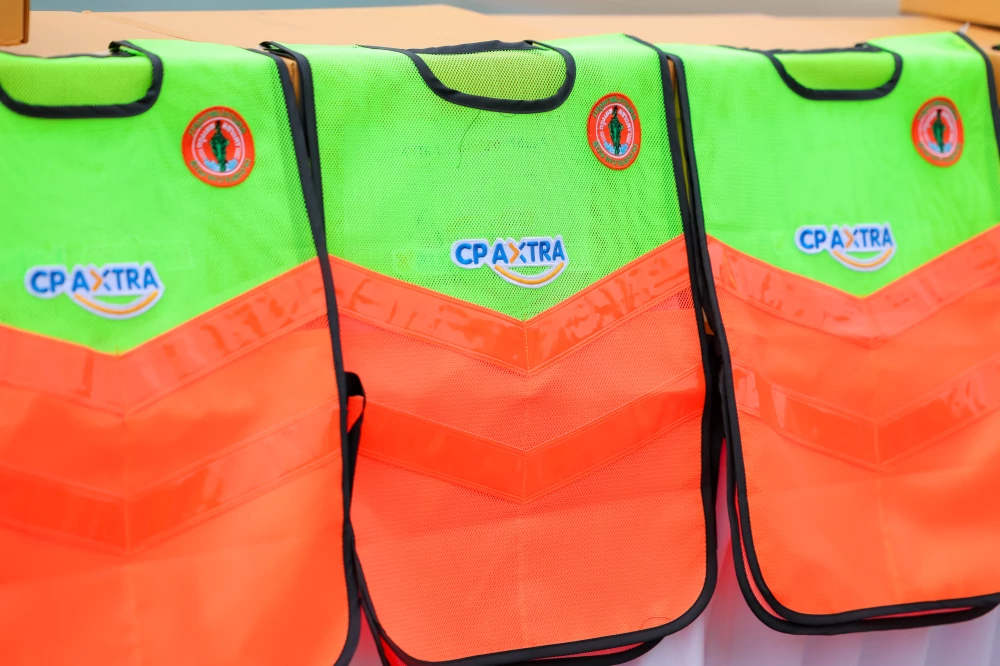
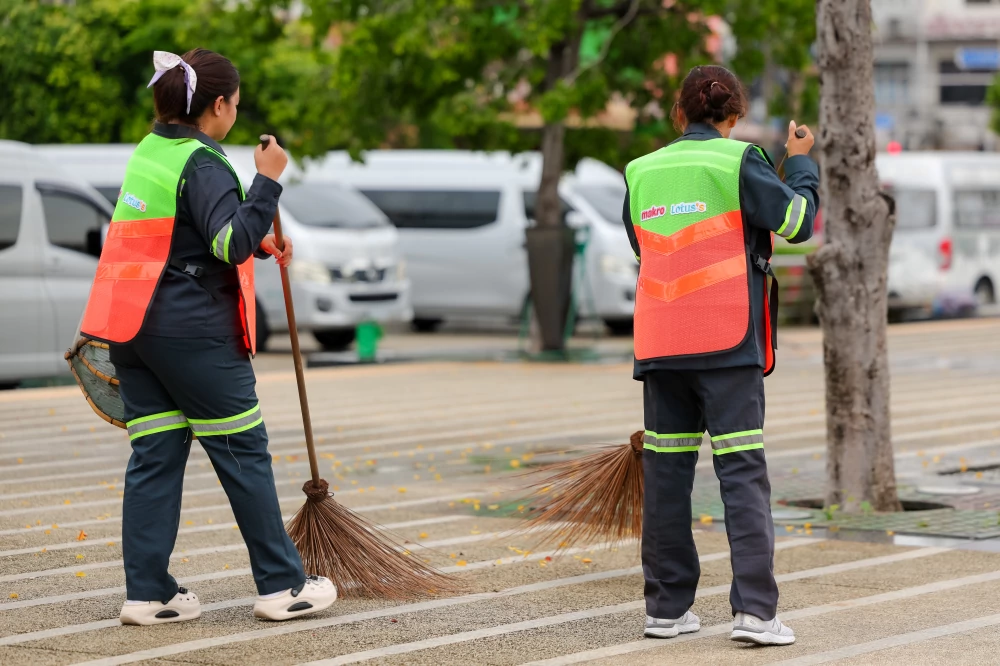
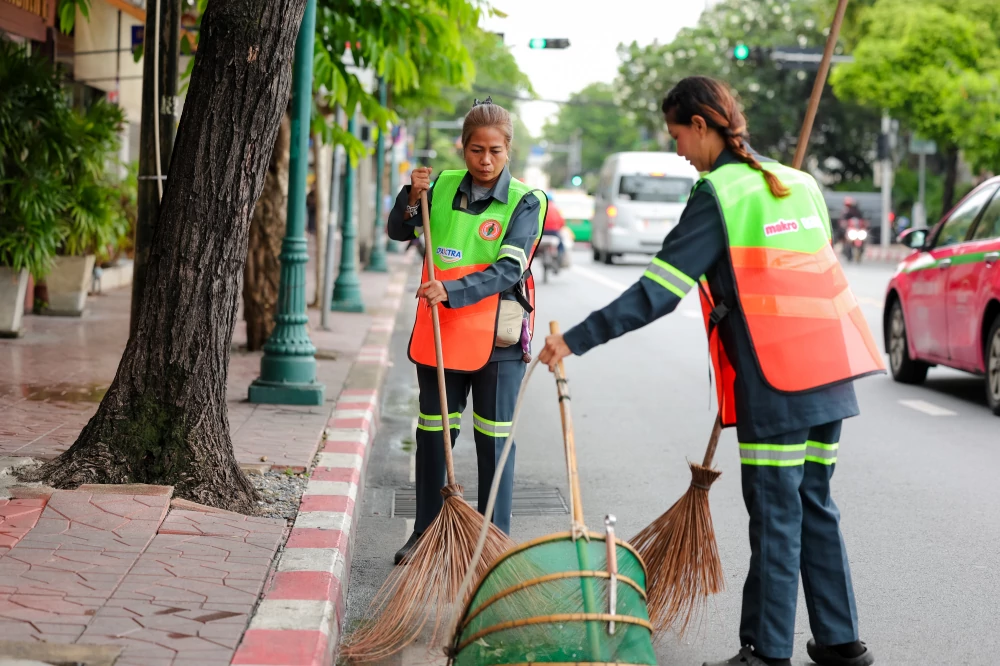
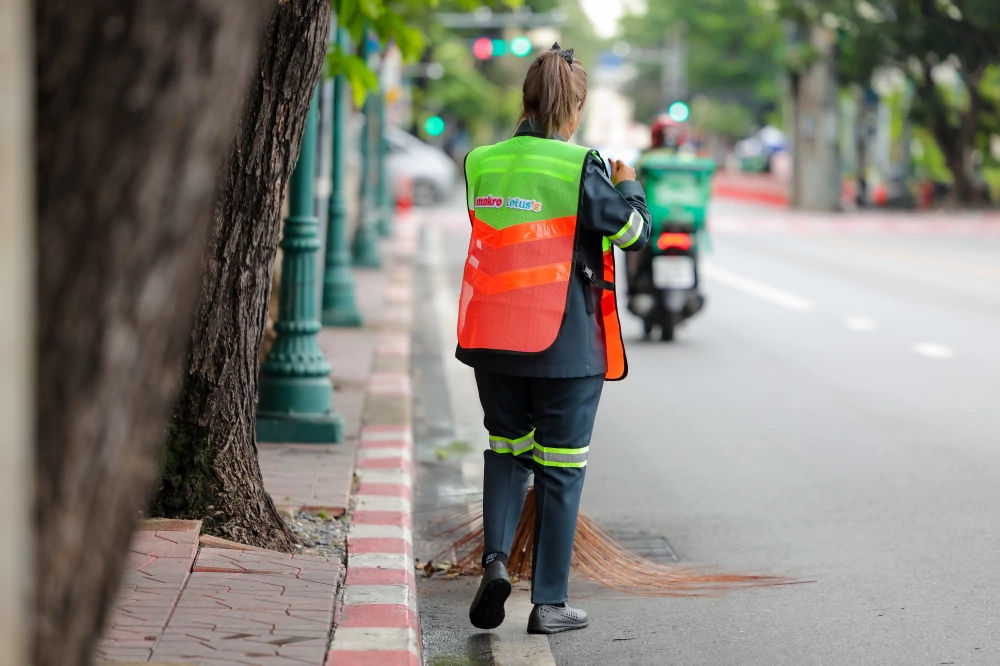
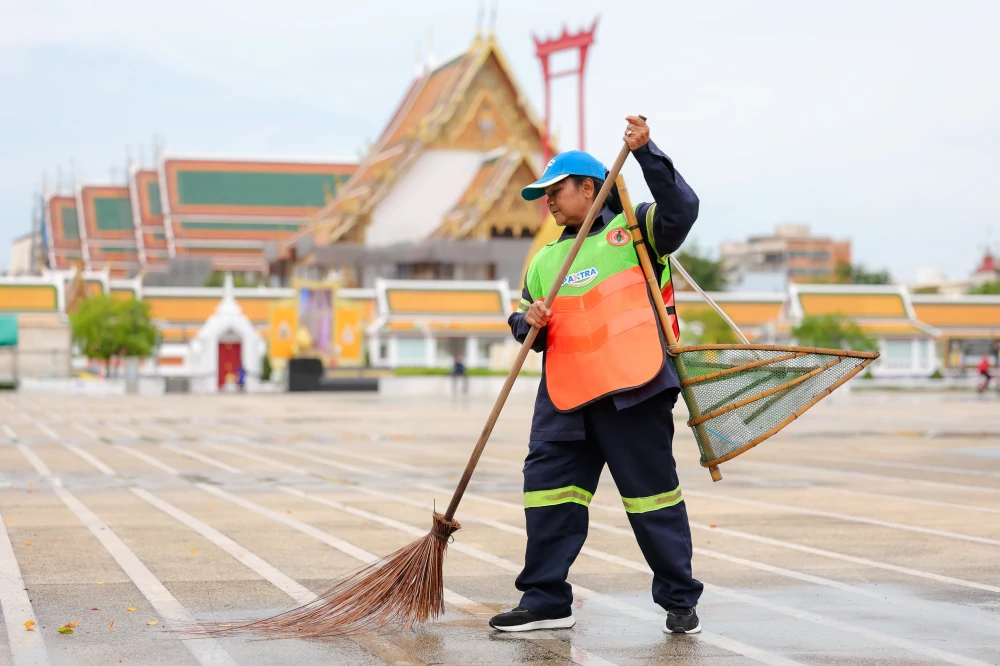
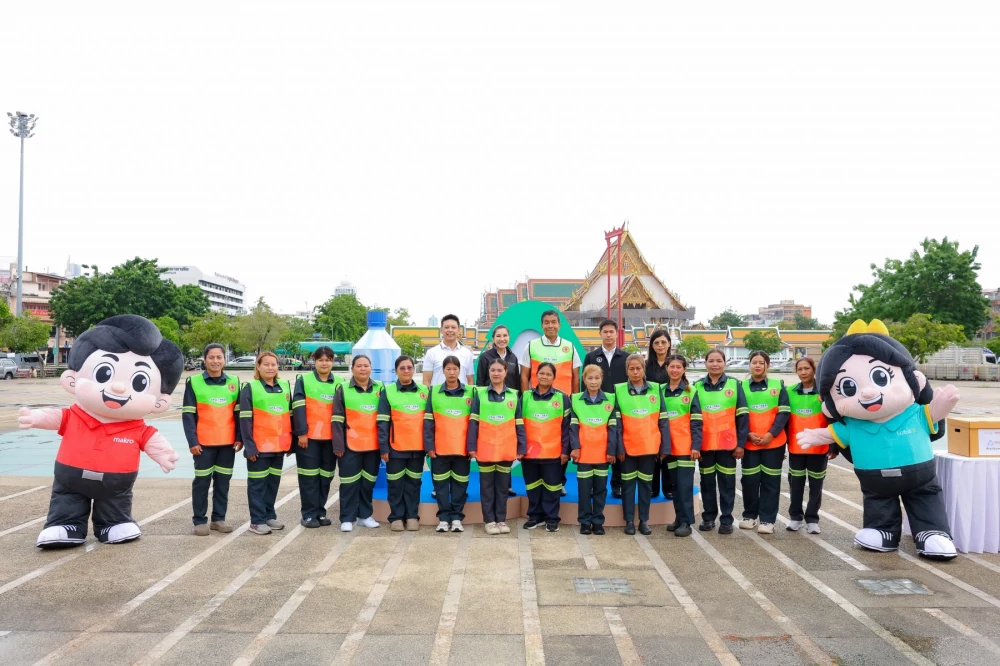
- CP AXTRA delivers recycled reflective vests to Bangkok Street cleaners, supporting safer working conditions and improving visibility as they carry out essential work on public roads.
- Used plastic bottles collected from more than 830 collection points are processed through recycling and transformed into reflective vests, demonstrating a Circular Economy model that gives resources a new life and value.
- “พลาสติกคืนค่า” goes beyond waste reduction by creating meaningful end uses for recycled materials from reflective vests for street cleaners and student uniforms to other products turning discarded materials into resources that benefit people and society.
While the flooding situation in several areas of Bangkok has begun to ease, the city’s recovery efforts continue, including cleaning public areas, clearing waste and debris, and restoring order across the streets. At the heart of these efforts are Bangkok Metropolitan Administration (BMA) street cleaners, whose continued work on the ground is essential to restoring the city.
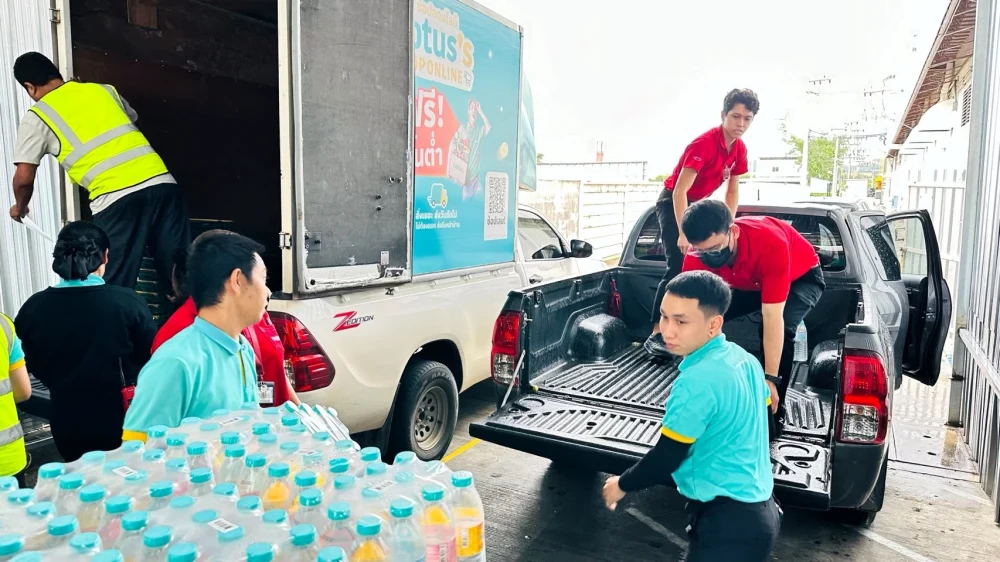
Urban recovery is not only about making public spaces clean again, but also about caring for the people working behind the scenes to restore the city. Recognizing their important role, CP AXTRA Public Company Limited, operator of the wholesale and retail businesses “Makro–Lotus’s,” is delivering recycled reflective vests to support the safety of street cleaners while highlighting the principles of the Circular Economy by transforming used plastic bottles into new value.
From “Used Bottles” to “Vests That Care for People”
The journey of the vests begins with used plastic bottles collected from more than 830 collection points nationwide, covering schools, universities, residential areas, communities, public parks and the Makro–Lotus’s network. The collected bottles are sorted before being sent to recycling facilities. The sorted bottles are processed into PET flakes, thoroughly washed and cleaned to remove contaminants, and then transformed into recycled polyester fiber (rPET). The recycled fibers are woven and knitted into fabric before being cut and sewn into reflective vests, ultimately returning to society as products with real users and real purpose.
When Environmental Action Connects with Safety
The significance of these recycled vests goes beyond giving used plastic bottles a new destination. They demonstrate how caring for resources can relate to caring for people. Sorting and recycling create a pathway for used plastic to return as a circulating raw material. At the same time, products made from these recovered materials are put to practical use in supporting people who play an important role in keeping the city clean.
This reflects the fact that a Circular Economy is not simply about “recycling,” but about designing systems that allow resources to re-enter the cycle and retain their value for longer. Materials once considered waste can become raw materials for new products and, ultimately, create benefits for people once again.
“พลาสติกคืนค่า”: Giving Meaning to the End Use of Recycling
Under CP AXTRA’s “พลาสติกคืนค่า” initiative, the company aims to engage multiple sectors including consumers, young people, educational institutions, partners and the Makro–Lotus’s network to transform the collection and return of plastic bottles into new value.
This makes proper sorting about more than simply “putting waste in the right place.” Every bottle returned marks the beginning of a new cycle that can connect recovered materials to products and their end users.
It demonstrates that a Circular Economy does not happen only in factories or manufacturing processes. It can begin with a small decision made by a consumer and become tangible when supported by a system that connects collection, sorting and recycling with the transformation of recovered materials into valuable products that are used.
The delivery of recycled reflective vests is therefore more than simply providing workwear. It represents how the Circular Economy can create value across the environment, society and people.
At a time when the city needs to recover and return to normal, caring for the city means more than managing waste and public spaces. It also means caring for the people who work behind the scenes to restore the city.
Returning value to resources and turning that value into care for the people who care for the city this is another tangible example of how the Circular Economy can connect environmental action with people’s quality of life.