Coffee Factory elevating Isan Coffee from Local Roots to Market Success, bringing Local Thai Products to Modern Trade Through Quality, Identity and Opportunity
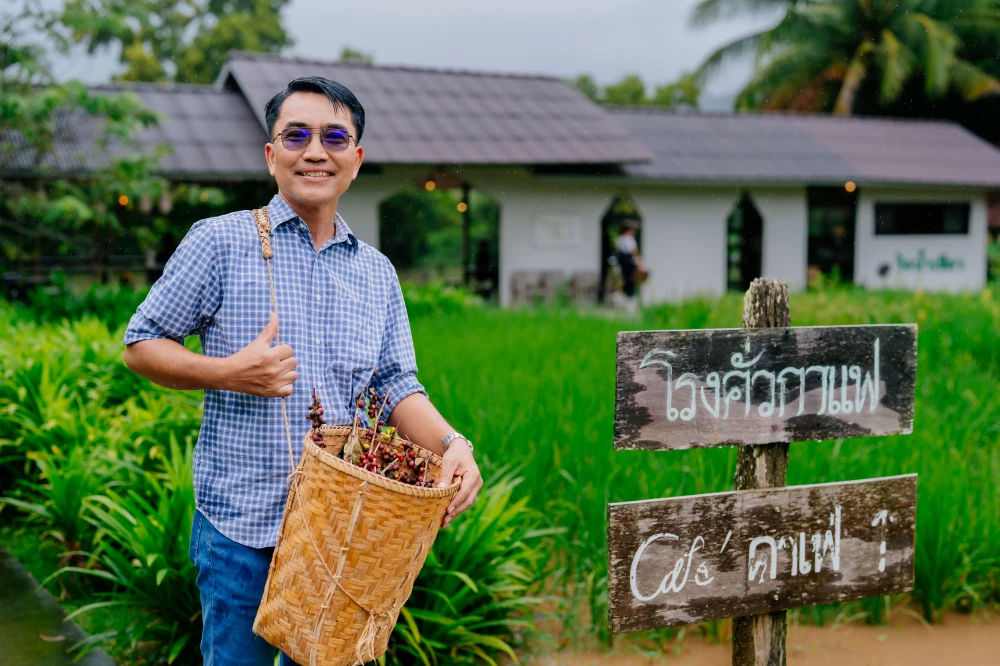
“Can coffee from Isan really compete in the market?” This was one of the questions Pakorn Techasitworachot, founder of Wang Nam Khiao Coffee Roastery, also known as Coffee Factory, encountered when he first started his business. Rather than seeing the question as an obstacle, he took it as a starting point to discover how coffee from Wang Nam Khiao could develop its own identity and earn market recognition. His efforts eventually led to the creation of the Coffee Factory brand, with products now available at Lotus’s.
From an Old Cattle Barn to a Local Coffee Brand
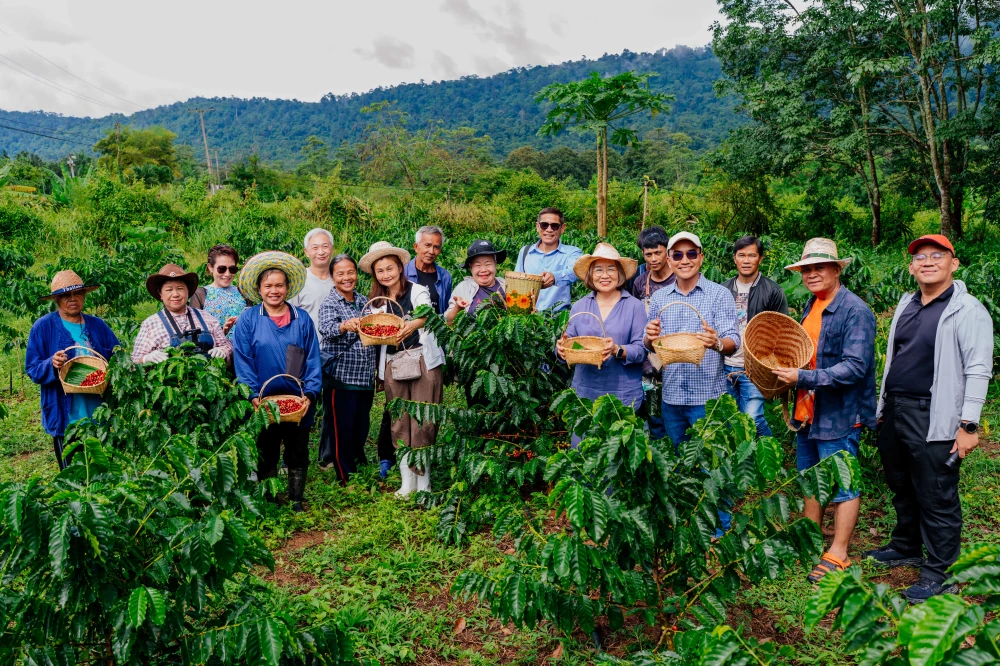
Pakorn began looking for a new business that would allow him to work closer to nature. His search brought him to Wang Nam Khiao District in Nakhon Ratchasima Province, where he discovered that local farmers were growing Arabica coffee among forested areas. Although the coffee had considerable potential, it had yet to be fully developed into a viable business.
He began learning how to process coffee and experimented with roasting beans in a brass pan over a charcoal stove inside old cattle barn the inspiration behind the name “Coffee Roastery.” The journey, however, was far from easy. Developing the processing techniques needed to achieve the desired flavor profile resulted in tens of tons of wasted coffee. Building trust and bringing farmers together to form a group also took three years.
When Pakorn finally brought his coffee to market, he encountered a series of questions from consumers: “Where is it grown?”, “What variety is it?”, and “How high above sea level is the plantation?”
These questions prompted him to rethink his marketing approach. He decided to invite consumers to experience the coffee-growing and production process firsthand, sharing authentic stories drawn from his own experience. His aim was to help people understand the origins and distinctive character of Wang Nam Khiao coffee beyond simply recognizing the brand name.
Quality and Local Identity: The Heart of Wang Nam Khiao Coffee
Wang Nam Khiao coffee stands out for its growing environment and cultivation areas, which contribute to the product’s distinctive character. “Wang Nam Khiao Coffee” has also been registered as a Geographical Indication (GI) product, making the area’s unique identity an important asset for creating added value.
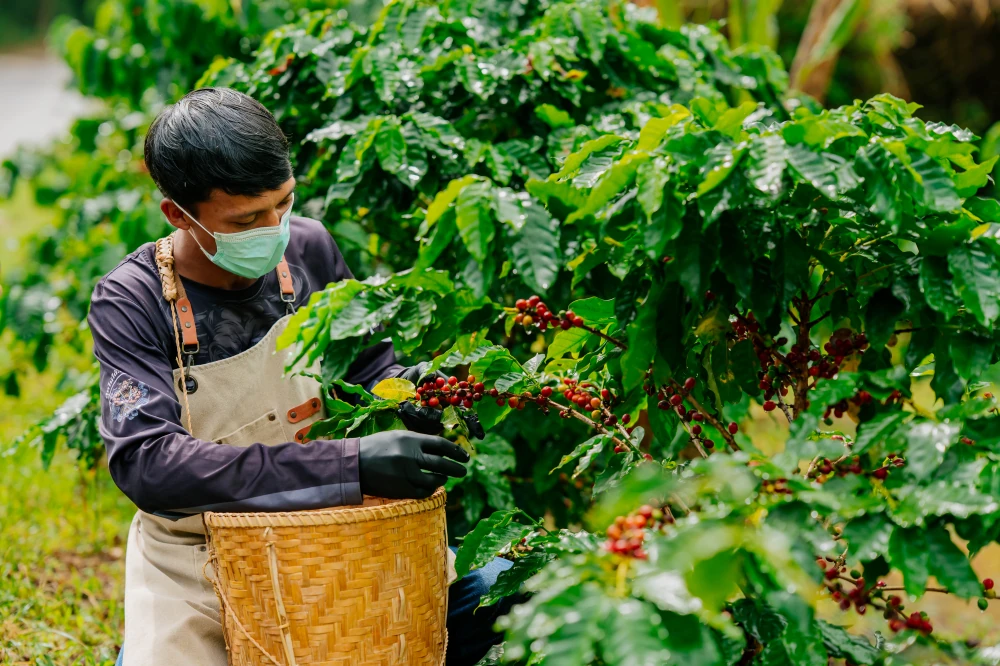
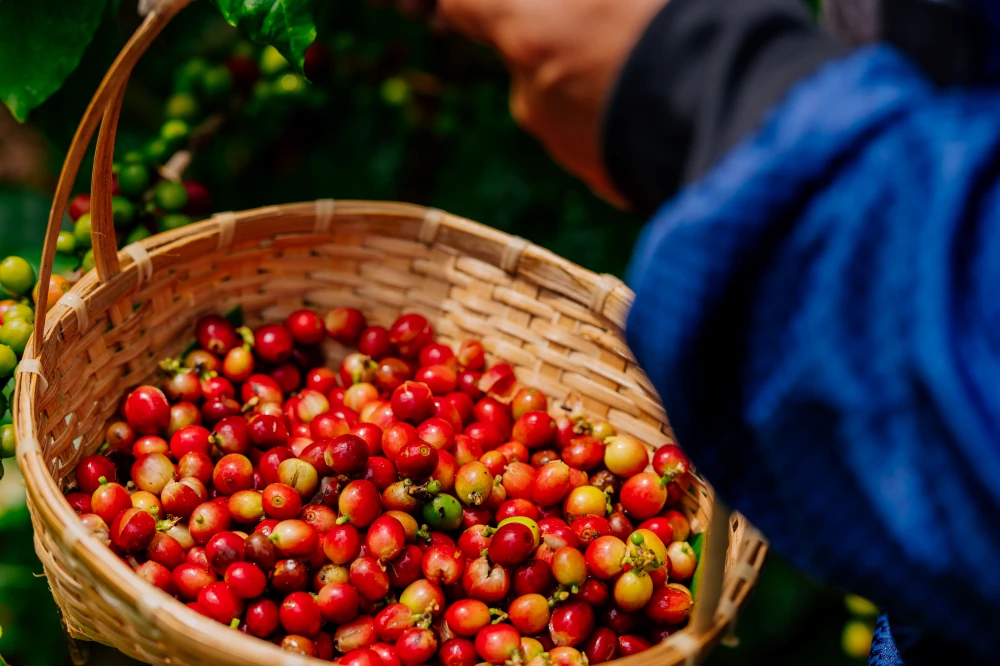
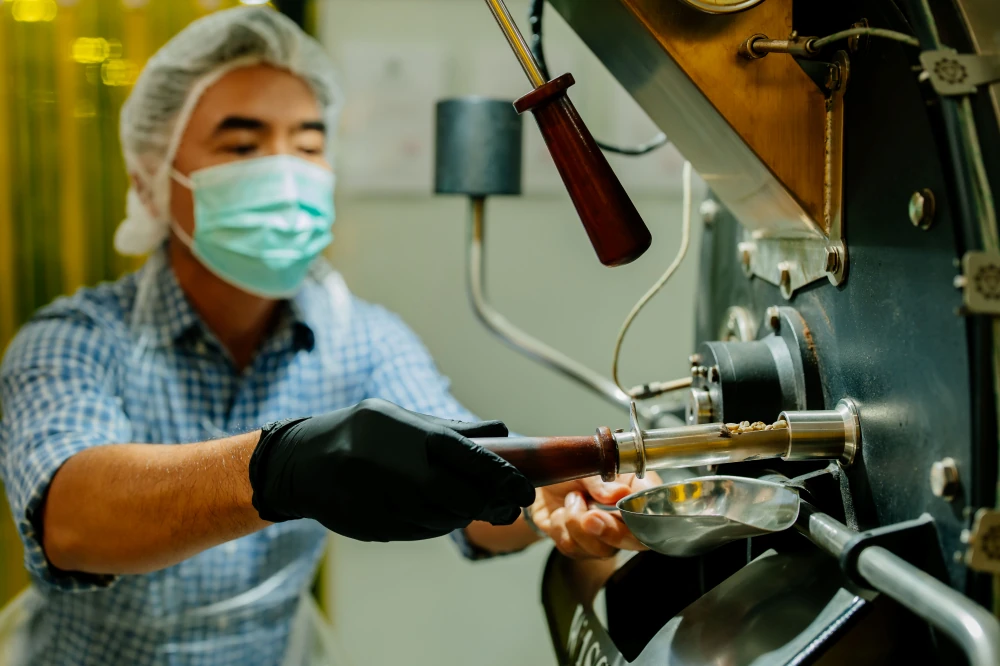
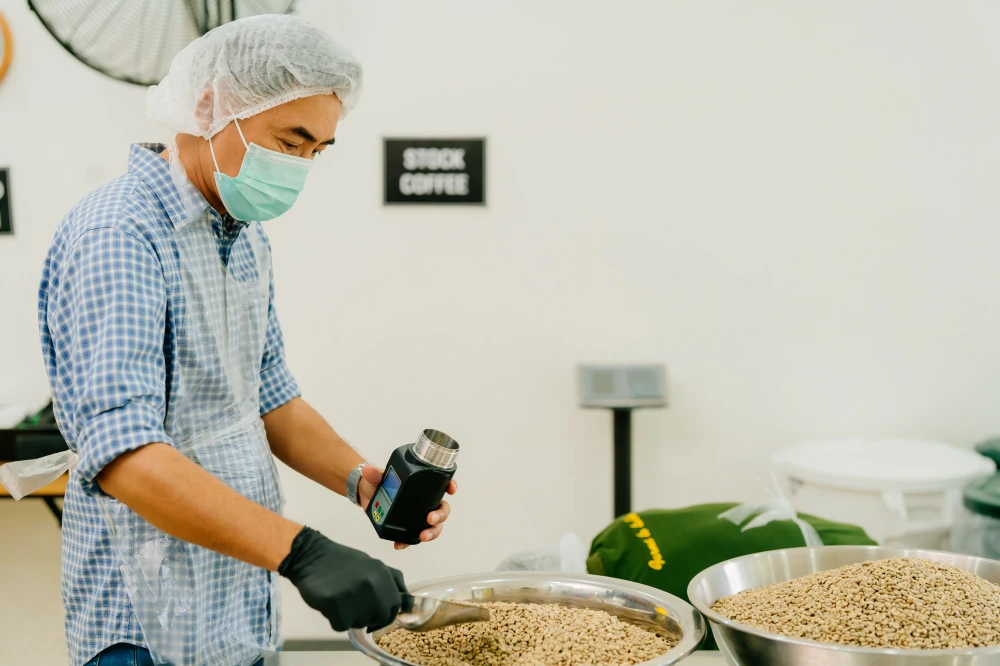
Behind every cup is a commitment to quality control that begins at the source. The farmer group emphasizes organic farming practices and selects ripe red coffee cherries before processing and grading the beans according to quality. Roasting and production also prioritize standards, cleanliness and safety to ensure consistent quality and meet consumer expectations.
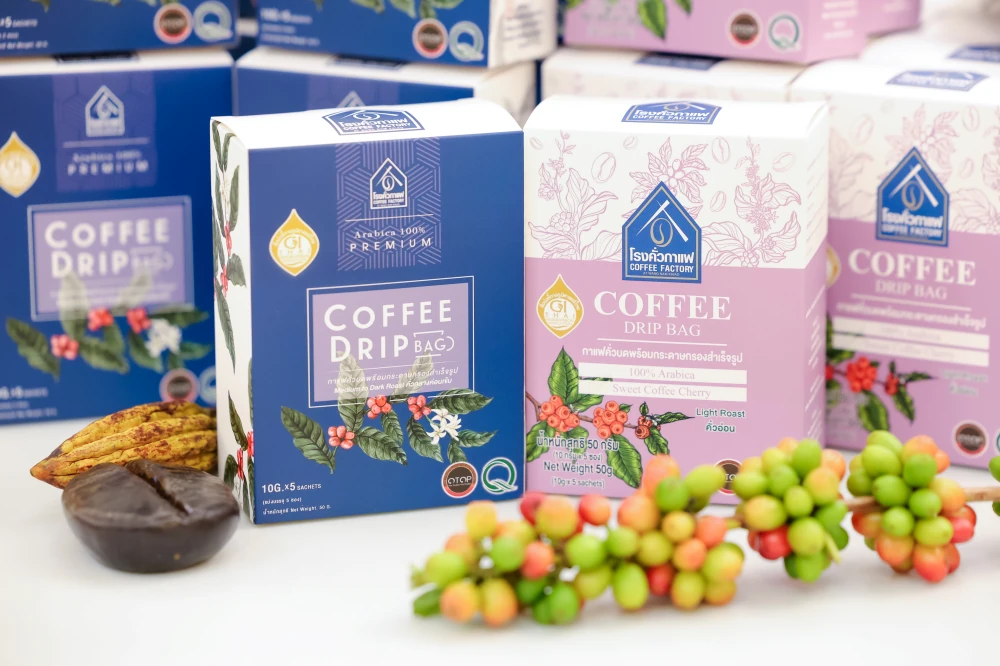
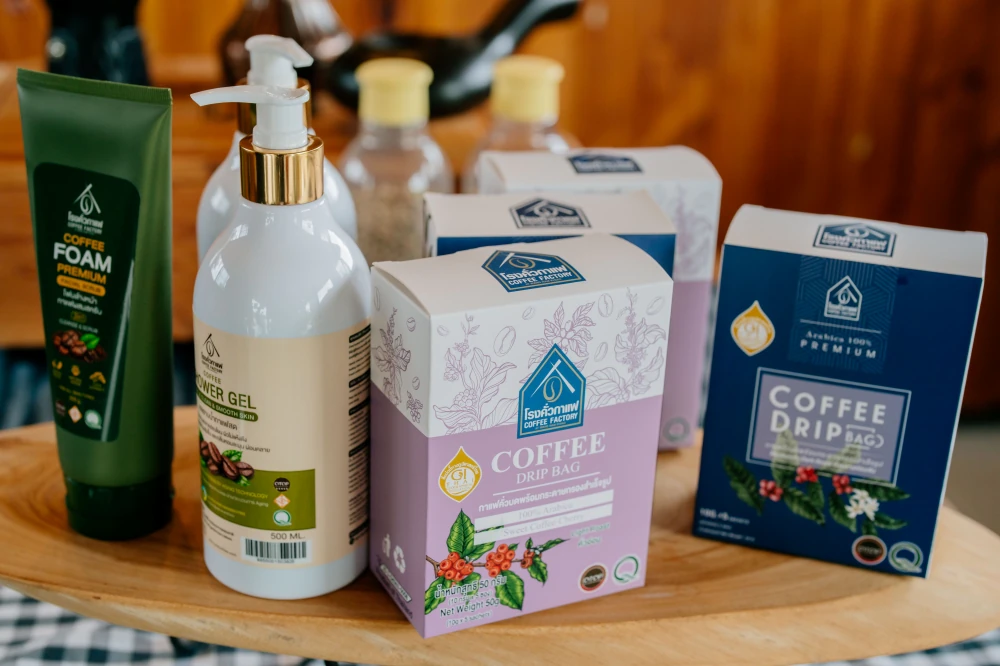
Building on locally grown coffee beans, Wang Nam Khiao Coffee Roastery has developed a diverse range of products under the Coffee Factory brand, including roasted coffee, ground coffee and drip coffee. It has also expanded into other coffee-based products, offering consumers more choices while creating greater value from local raw materials rather than relying solely on selling agricultural produce.
From Entrepreneurial Lessons to Shelf Space at Lotus’s
A major turning point came when Lotus’s brought a team of experts to share knowledge with farmers, helping them improve product standards while opening up opportunities for SME entrepreneurs to place their products on its shelves.
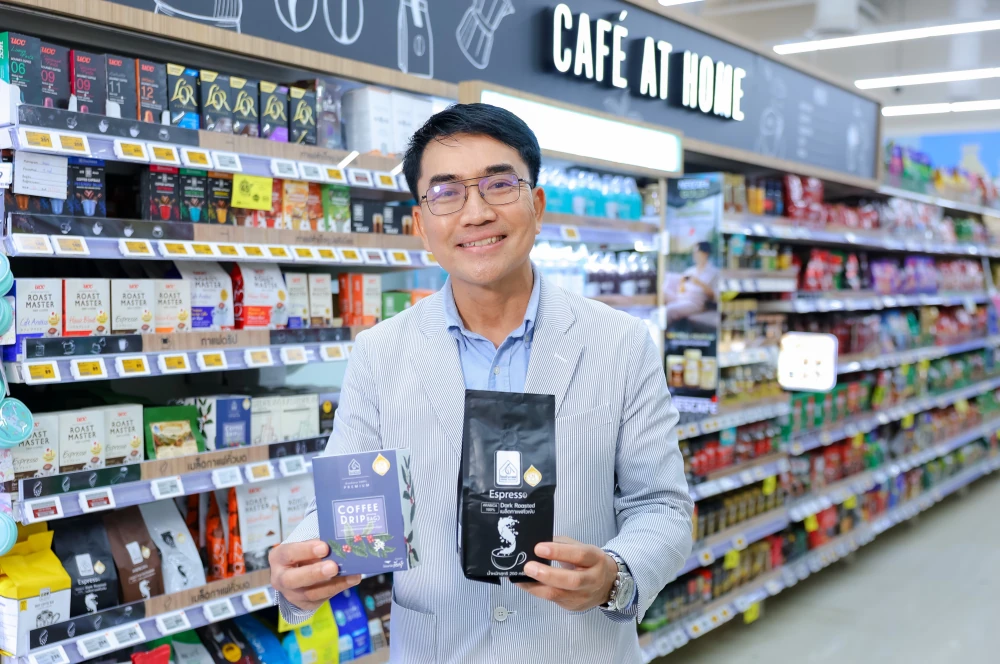
For the first delivery, Pakorn personally transported the products to the Wang Noi Distribution Center (DC). He still remembers the moment he first saw his own coffee displayed on a retail shelf.
“I stood in front of the shelf for about five seconds, looking at it and thinking, ‘This is really our coffee coffee produced by our farmers.’”
From a small group of entrepreneurs producing Arabica coffee in northeastern Thailand, Wang Nam Khiao coffee has now reached Lotus’s shelves marking an important step in bringing a local product to a wider consumer market.
Drawing on this experience, Pakorn believes that entering Modern Trade requires more than having a distinctive product. Entrepreneurs must also be prepared in terms of quality, standards, raw material supply, production capacity and consistent delivery. These elements are essential to maintaining product quality and supporting long-term market growth.
Today, Coffee Factory products are available at Lotus’s across all 77 provinces of Thailand. The brand’s journey is a success story of transforming local agricultural produce into distinctive products and expanding into modern retail channels.
Pakorn also shared his experience at “Market Insight @ CP AXTRA,” under the theme “Market-Led Production: Elevating Thai Products for Modern Trade,” offering practical lessons for entrepreneurs seeking to improve their products and expand their markets.
Meanwhile, CP AXTRA has developed its “Platform of Opportunity” to connect Thai entrepreneurs with Modern Trade channels, providing a platform to showcase products and explore new business opportunities. The initiative aims to help high-potential Thai products reach broader markets.
For more information, visit https://cpseeding.com/cpaxtra.
From its humble beginnings in an old cattle barn to products displayed on Lotus’s shelves, Coffee Factory’s journey demonstrates that growing an agricultural brand requires continuous learning, consistent quality, a distinctive identity and access to the right markets. Together, these elements can turn local potential into sustainable business growth.