Good ESG Is Not Just an Image — It's Part of Real Business Every Day
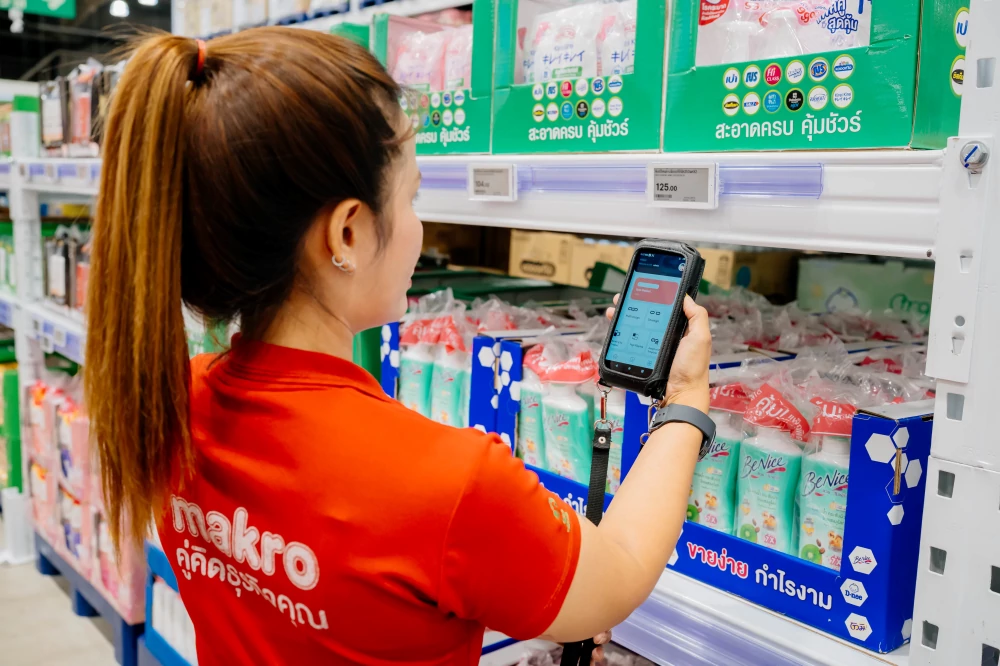
Many may view ESG as merely a matter of reporting, image-building, or one-off CSR activities. In reality, ESG is a business framework grounded in a fundamental question: “Is the company operating responsibly toward all stakeholders?” Business does not grow in isolation. It is driven by shareholder trust, employee commitment, supplier collaboration, public–private collaboration, strong community relationships, and natural resources. When these elements are effectively balanced, ESG becomes far more than a responsibility—it forms the foundation for sustainable growth while strengthening resilience and reducing long-term risks. At the World Economic Forum in 2026, this idea was clearly reinforced: economic growth and sustainability can no longer be viewed as separate. They must move forward together as part of the way modern businesses operate. The key question, therefore, is no longer “whether to pursue ESG,” but “how to embed ESG into everyday business operations.”
CP AXTRA: ESG as an Integral Part of Daily Business Operations
CP AXTRA Public Company Limited (CP AXTRA), the operator of Makro and Lotus’s, represents a strong example of how ESG can be fully integrated into a business model. The Company’s approach goes beyond stated commitments—ESG is embedded as an integral part of its operations at every stage, from upstream to downstream.
Upstream: Preventing Waste at the Source and Reducing Hidden Costs
Rather than addressing waste at the end of the supply chain, CP AXTRA begins at the design stage. Products lost before reaching customers are viewed not merely as “waste,” but as non value creating costs. The Company collaborates with suppliers to develop packaging that extends product shelf life, while leveraging demand forecasting systems to accurately predict branch-level demand and minimize overstocking. These efforts are complemented by temperature-controlled logistics and quality-preserving packaging throughout the supply chain. The result is reduced waste, improved cost control, and enhanced supply chain efficiency—delivering measurable impact on both short- and long-term performance, and ultimately strengthening shareholder returns.
Midstream: Turning Surplus into Value
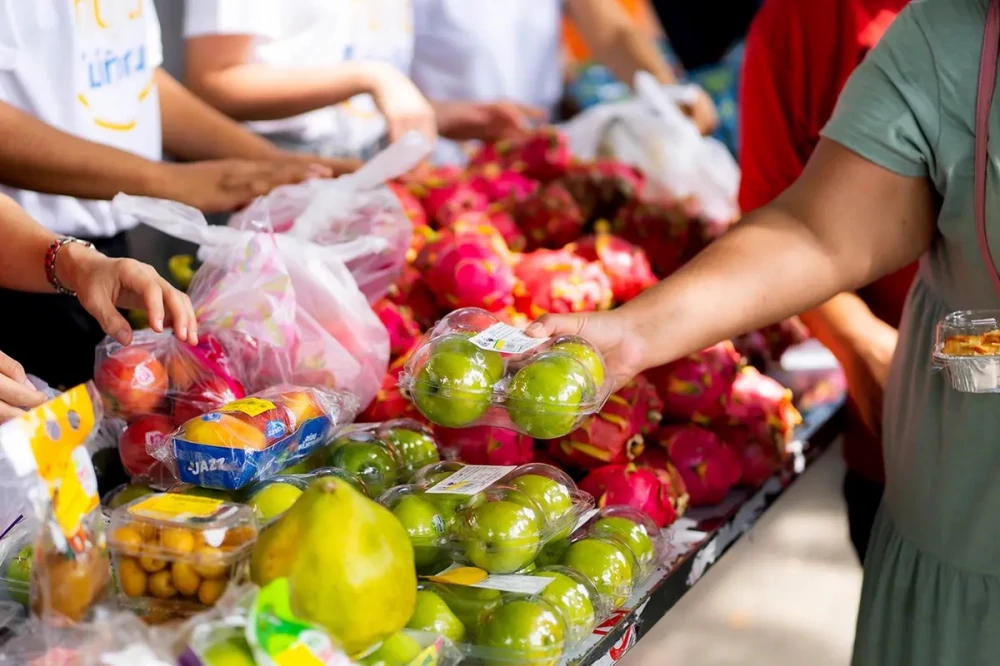
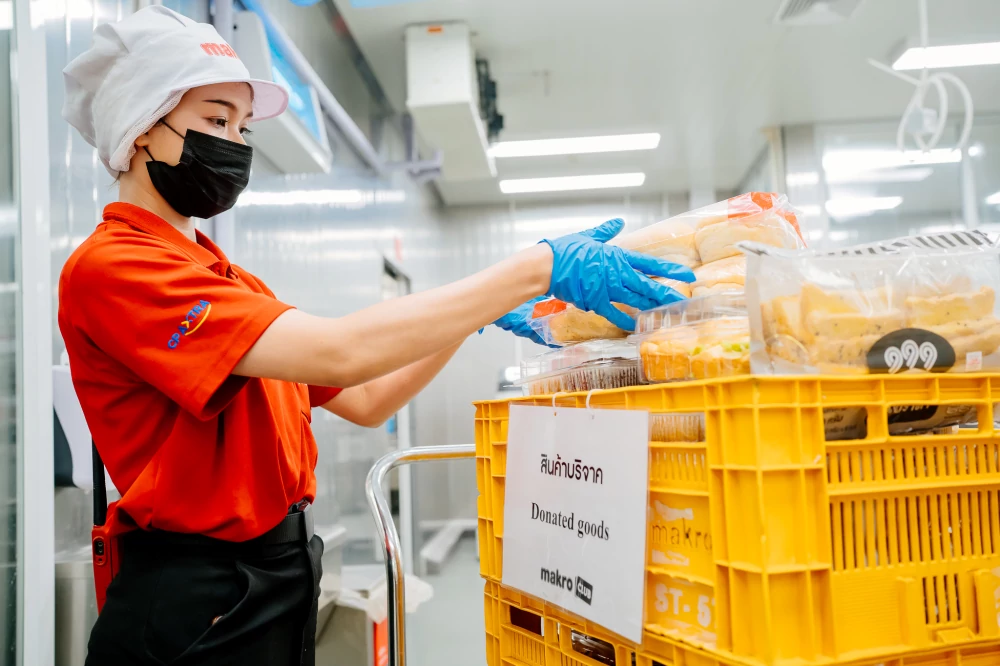
A yellow-label system with marked prices is used to accelerate sales and reduce in-store food waste. At the same time, surplus food that remains safe and of good quality after daily sales is carefully inspected each afternoon and donated through the “Food Rescue” initiative. This approach helps alleviate the financial burden for vulnerable groups while improving access to safe, nutritious food within communities.
Downstream: Ensuring Every Waste Stream Has Value—Not Landfill
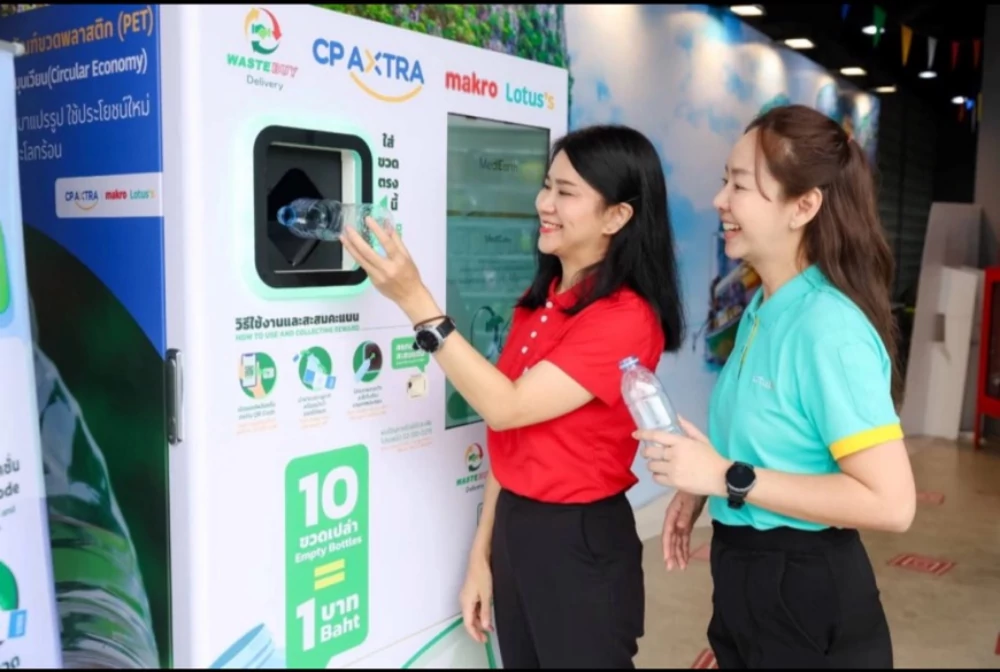
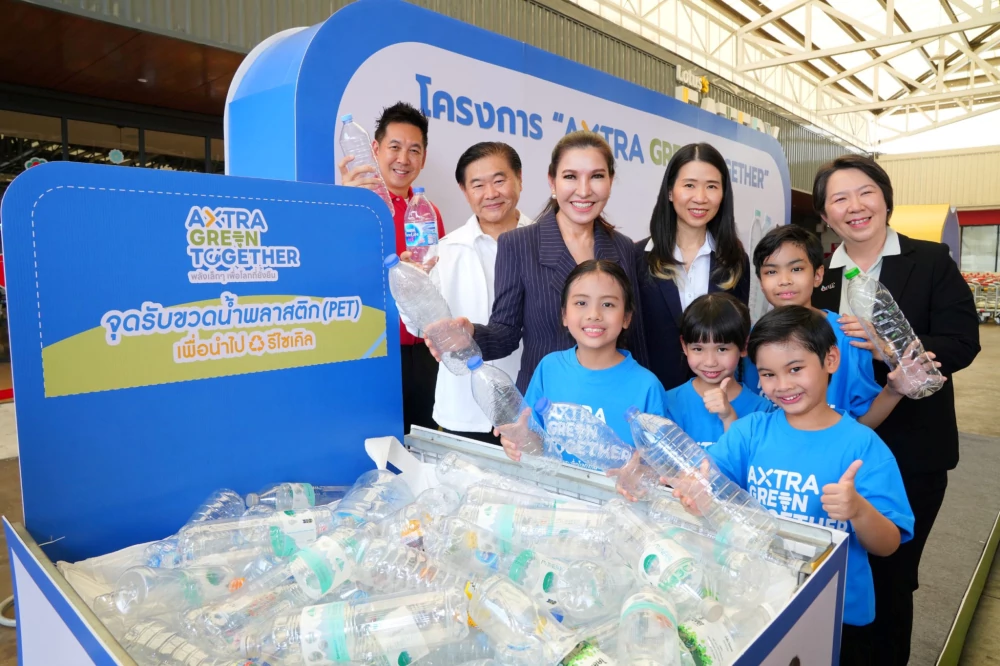
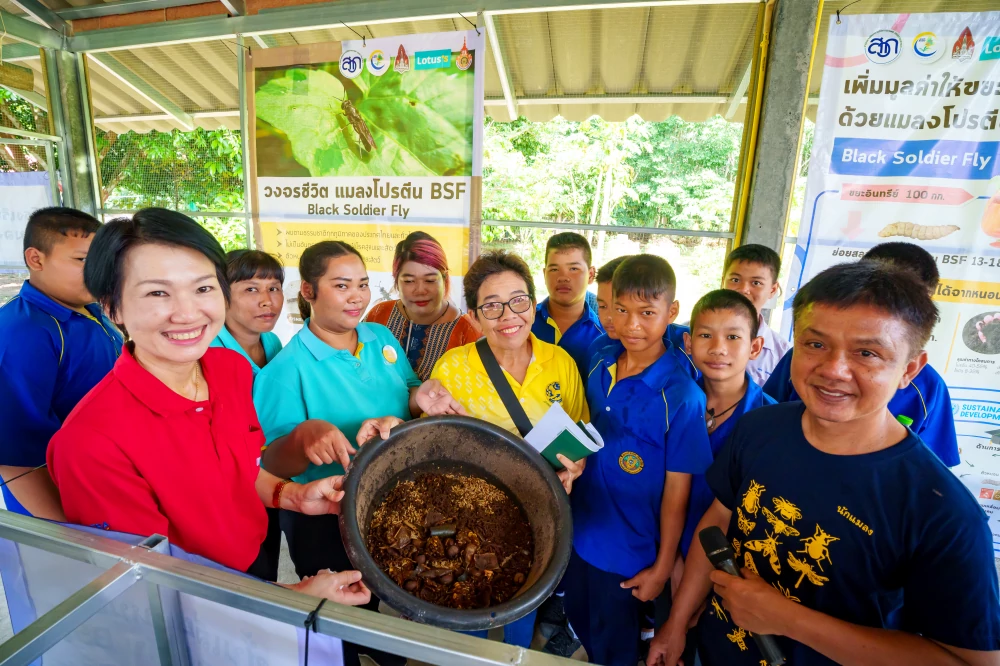
Under the “From Waste to Wealth” project, the Company is committed to managing all waste streams systematically to eliminate landfill disposal. Recyclables like plastics and cardboard are transformed into new, useful products, e.g., recycled trash bags and packaging. Plastic bottles are upcycled into school uniforms, benefiting more than 10,000 underprivileged children each year. Food waste is repurposed as animal feed and further developed through innovative solutions such as Black Soldier Fly (BSF) protein, creating new value-added products. Meanwhile, non-recyclable waste is converted into refuse-derived fuel (RDF) for industrial applications.
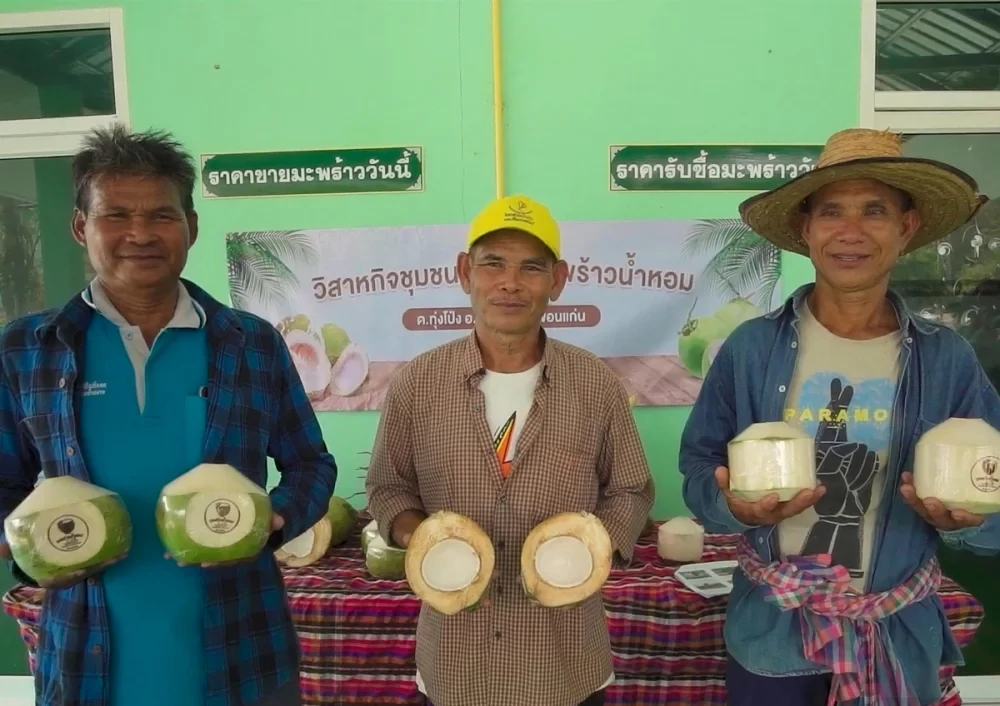
The guiding philosophy behind every initiative of CP AXTRA is the belief that all stakeholders are partners in growth. When environmental and social dimensions are responsibly managed, they foster trust among all parties, forming a strong foundation for long-term business resilience. Over the past year, the Company has implemented systematic waste management across its entire value chain, reducing waste sent to landfill by more than 31,700 tonnes. At the same time, it has advanced circular economy practices by transforming surplus food and recyclable materials into value, generating over THB 65 million in economic value to support farmers and communities. These efforts reflect the circular economy in action. CP AXTRA is committed to achieving Zero Waste to Landfill by 2030.
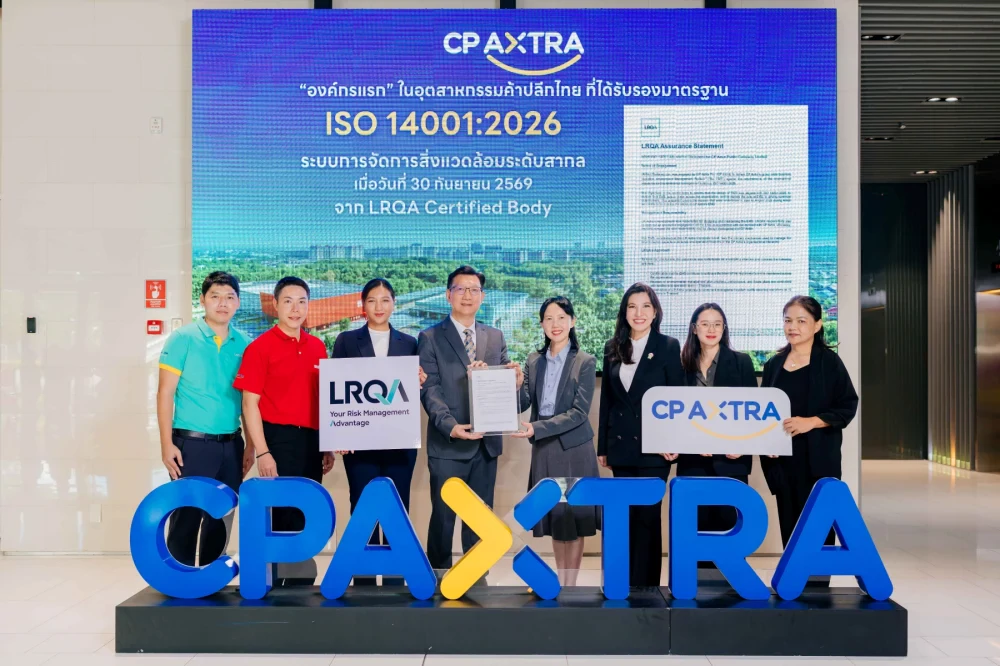
What sets CP AXTRA apart is not only the execution of its initiatives but also the delivery of measurable results that are recognized at the international level. The Company achieved an S&P Global Corporate Sustainability Assessment (CSA) score of 88/100, placing it among the top 5% globally in the Food & Staples Retailing sector. It also received SET ESG Ratings of AAA, reflecting strong risk management capabilities and a sustained commitment to long-term, responsible business practices.
For CP AXTRA, ESG has evolved beyond image-building initiatives and is now at the core of its daily business operations. The Company is committed to enhancing efficiency while responsibly managing social, economic, and environmental dimensions to build trust among all stakeholders. This trust forms the foundation of sustainable growth and lies at the heart of a resilient business built for long-term success.